
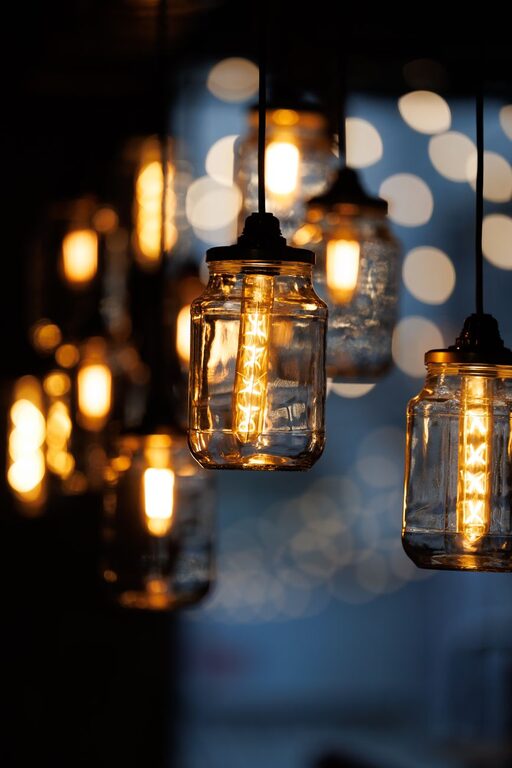
Creating a comfortable home environment often starts with the right lighting. Proper lighting not only brightens your rooms but also influences mood, productivity, and relaxation. Choosing the perfect lighting for your home may seem straightforward, but there are many factors to consider to ensure comfort and functionality. This guide offers practical tips to help you select lighting that enhances your living space.
Why Comfortable Lighting Matters
Lighting affects how we feel and interact within a space. Harsh, dim, or poorly placed lights can cause eye strain, headaches, and fatigue. On the other hand, well-designed, comfortable lighting improves visibility, creates atmosphere, and supports daily activities from reading and cooking to relaxing.
Understand Different Types of Lighting
Before picking fixtures, it’s important to know the three primary types of lighting that work together to create a well-lit room:
1. Ambient Lighting
This is the general light that fills the room, providing overall illumination. Examples include ceiling-mounted fixtures, chandeliers, or recessed lights.
2. Task Lighting
Task lighting focuses light on specific areas where activities occur, such as reading, cooking, or working on hobbies. Desk lamps, under-cabinet kitchen lights, and bathroom vanity lights serve this purpose.
3. Accent Lighting
Accent lighting highlights particular features like artwork, plants, or architectural details. It adds depth and visual interest, using spotlights, track lights, or wall sconces.
Balancing these three layers will create a comfortable and versatile lighting setup in any room.
Tips for Choosing Comfortable Home Lighting
1. Consider the Room’s Purpose
The function of the room guides your lighting choices. For example:
– Living rooms: Combine ambient light with soft accent lights for a cozy atmosphere.
– Kitchens: Bright, shadow-free task lighting is key for safety and efficiency.
– Bedrooms: Use warm ambient lighting with dimmers to create a relaxing environment.
– Bathrooms: Bright, clear light at the vanity assists grooming, while softer ambient light enhances comfort.
2. Choose the Right Bulb Color Temperature
Light color is measured in Kelvin (K) and affects the feel of a room:
– Warm light (2700K–3000K): Produces a yellowish, cozy glow ideal for living rooms and bedrooms.
– Neutral light (3500K–4100K): Balanced white light suitable for kitchens and workspaces.
– Cool light (5000K+): Bright, bluish light that mimics daylight, good for detailed tasks or basements.
For comfortable home lighting, warm to neutral tones tend to be preferred, but adjust based on your needs.
3. Use Dimmers for Flexibility
Installing dimmer switches allows you to adjust light levels according to time of day and activity. This flexibility helps reduce eye strain and create ambiance without changing bulbs or fixtures.
4. Avoid Glare and Harsh Shadows
Glare can be uncomfortable and cause eye fatigue. To minimize glare:
– Choose lampshades or fixtures that diffuse light softly.
– Position lights so they don’t shine directly into your eyes.
– Use indirect lighting techniques, like uplighting or diffused wall sconces.
Avoid harsh shadows by balancing ambient and task lighting properly.
5. Select Energy-Efficient Options
LED bulbs have become the go-to choice for home lighting because they use less energy, last longer, and produce less heat compared to incandescent or fluorescent bulbs. Energy-efficient lighting also reduces electricity bills and environmental impact.
6. Match Lighting Style with Home Decor
While comfort is key, the aesthetics of your lighting fixtures affect your room’s overall style. Choose designs that complement your furniture, wall colors, and theme, whether you prefer modern, rustic, minimalist, or traditional looks.
7. Plan for Layered Lighting
In larger rooms, use multiple light sources instead of a single overhead fixture. Combining ceiling lights with floor lamps, table lamps, and wall lights provides greater control over brightness and atmosphere.
Practical Lighting Ideas for Common Rooms
Living Room
– Use a central ceiling fixture for ambient lighting.
– Add floor or table lamps for reading or relaxing.
– Employ accent lights to showcase photos or plants.
– Consider dimmers for mood control.
Kitchen
– Bright LED overhead lights for overall illumination.
– Under-cabinet lighting for countertop tasks.
– Pendant lights above islands or dining areas.
Bedroom
– Warm-colored ambient lighting.
– Bedside lamps with adjustable brightness.
– Motion-activated nightlights for safety.
Bathroom
– Bright, cool white LED lights around the mirror.
– Waterproof recessed lights for showers.
– Soft ambient lighting for relaxation.
Final Thoughts
Choosing comfortable home lighting enhances not only the look of your rooms but also your quality of life. By understanding the types of lighting, tailoring choices to each room’s purpose, and paying attention to bulb color, fixture style, and placement, you can create welcoming spaces that feel just right. Remember, good lighting is a blend of function and comfort, helping you live better indoors.
Happy lighting!